
FOMO Is Not a Strategy
Not a Good One, at Least

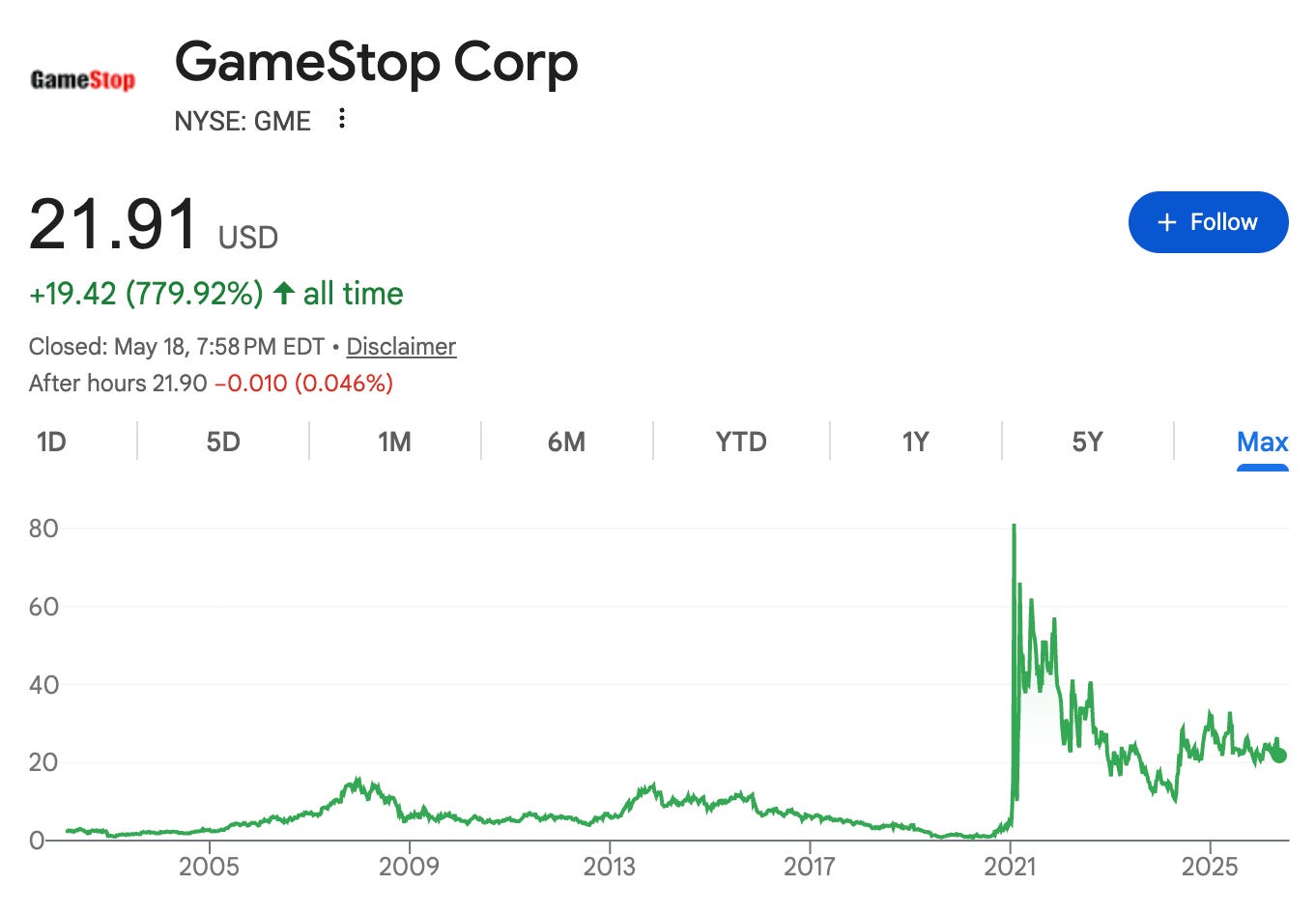
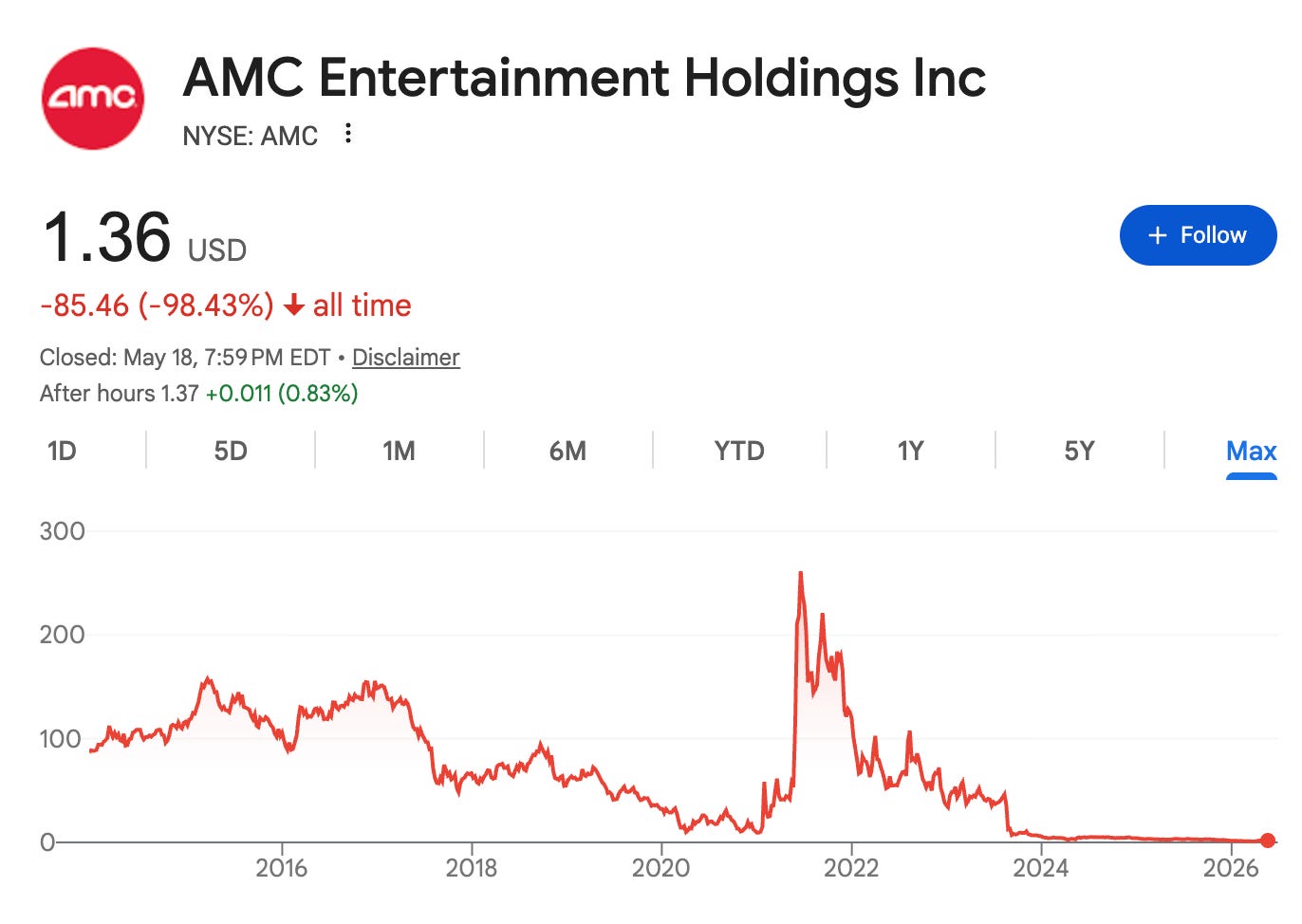
Although I’m annoyed when people compare investing to gambling, there are certainly ways to gamble in the stock market and sometimes market activity does resemble gambling. Look no further than GameStop or AMC stock prices in 2021.
The Gambler’s Index
Stock market speculation is largely a “you know it when you see it” situation, but quantifying a gambler’s index will give us some rare context for these markets.
I think speculation comes down to a zero sum game with highly volatile outcomes. Selecting the 20% of stocks with the highest trailing 60 day price variance returns a gambler’s index with plenty of volatility and no excess returns over cash. Bingo.
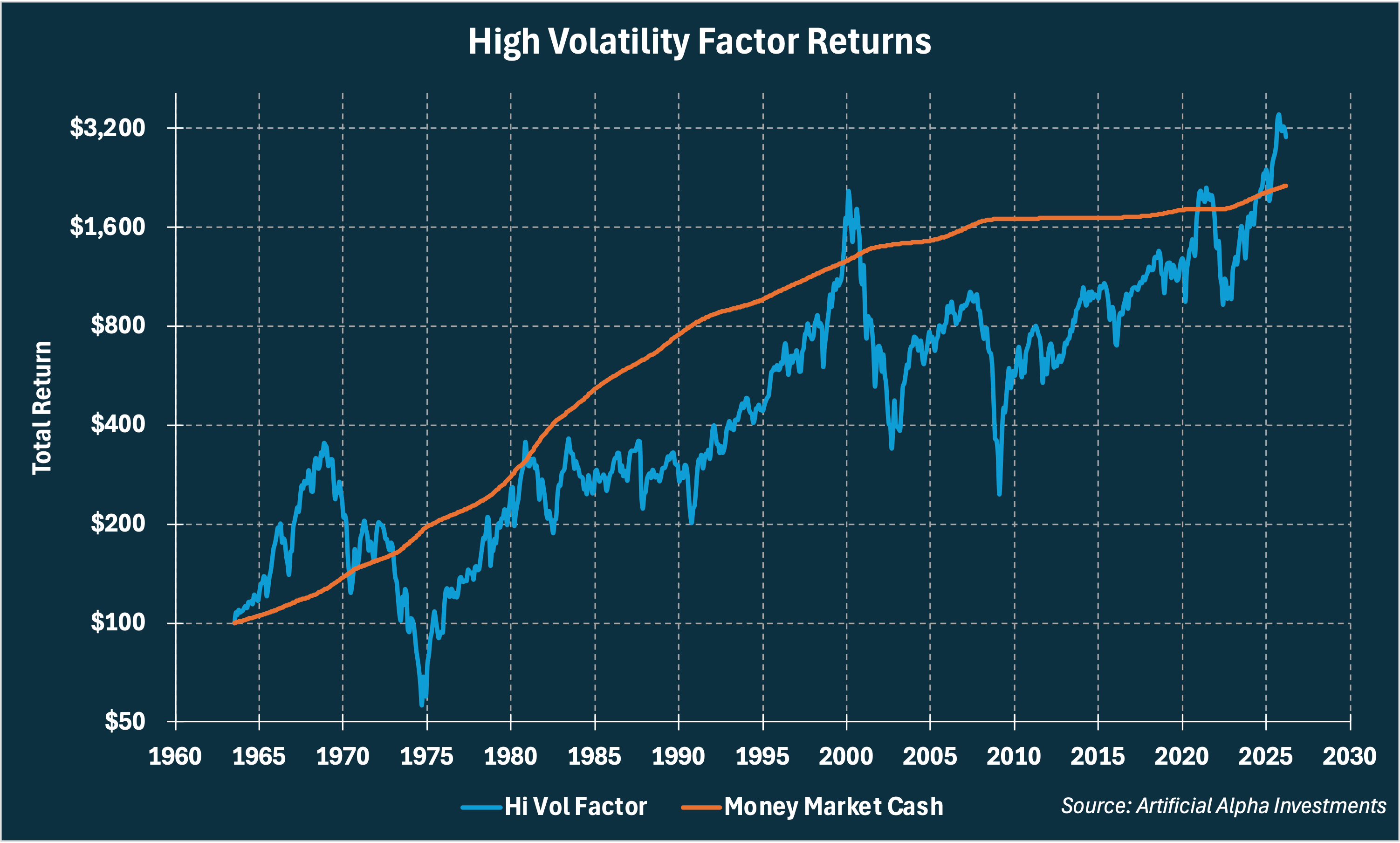
Our gambler’s index measures speculation soaring past 2021 highs despite far less hoopla and headlines this time around.
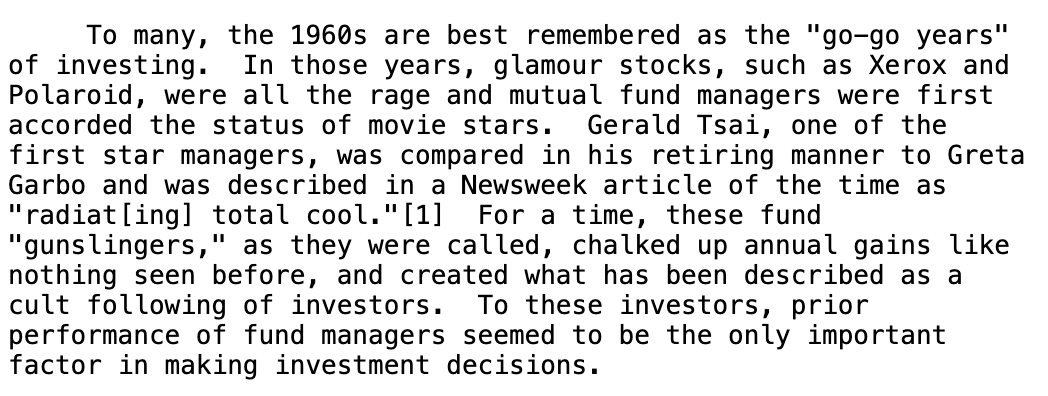
Although rarely to this degree, speculative markets are not new. Similar markets existed in the late 1960’s during the “go-go years” and in the late 1990’s during the dot-com boom. Those moments ultimately became cautionary tales—investors abandoning disciplined, long-term strategies in a rush to chase the latest hype and short-term FOMO.
Fading Quality
Berkshire’s stock represents the opposite of our gambler’s index. Berkshire invests in high quality companies with limited volatility juice. I’m not here to endorse Berkshire, but I do find Berkshire’s disfavor notable.
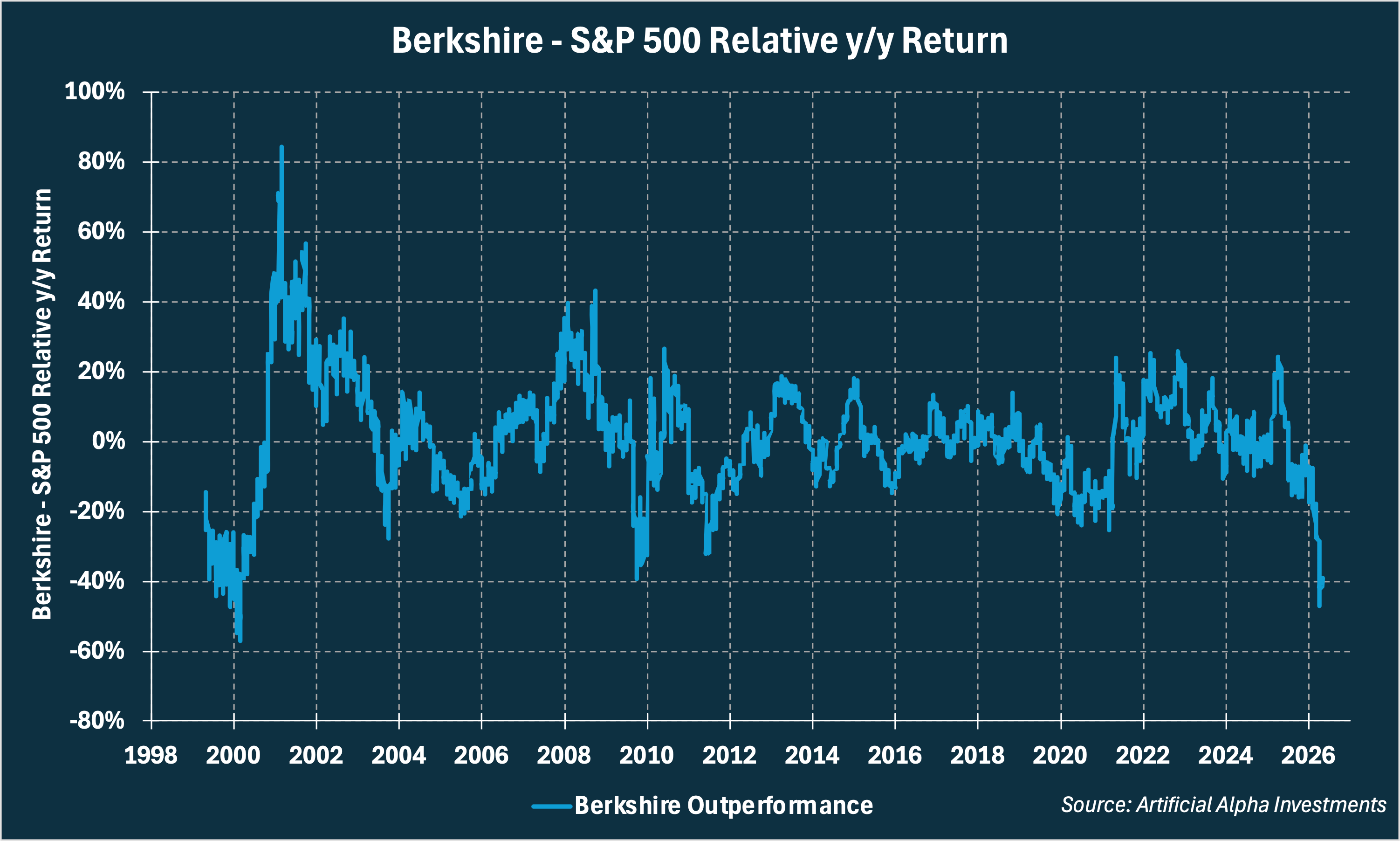
Berkshire is underperforming the S&P 500 by -40% over the previous year. A similar performance drag occurred for high quality stocks like Berkshire during the dot-com boom’s highly speculative market.
Conclusion
This market presents behavioral challenges to investors. Our gambler’s index is an unsustainable investment strategy, but consider the FOMO that tempts those “responsible” Berkshire investors.
Moments like these can make sound investments seem foolish. Regardless, FOMO is not a strategy and investors are best suited to stay the course through high volatility, even when volatility inflects higher.